Perturbant Fluids

Engaging with citizens, artists, and designers, this format introduces scientific tools to support open methods of knowledge production. Developed by OBOT, a nomadic wetlab, it rethinks how antibiotic consumption and resistance are discussed by involving participants in the collection and observation of body data, with particular attention to women’s experiences in healthcare.

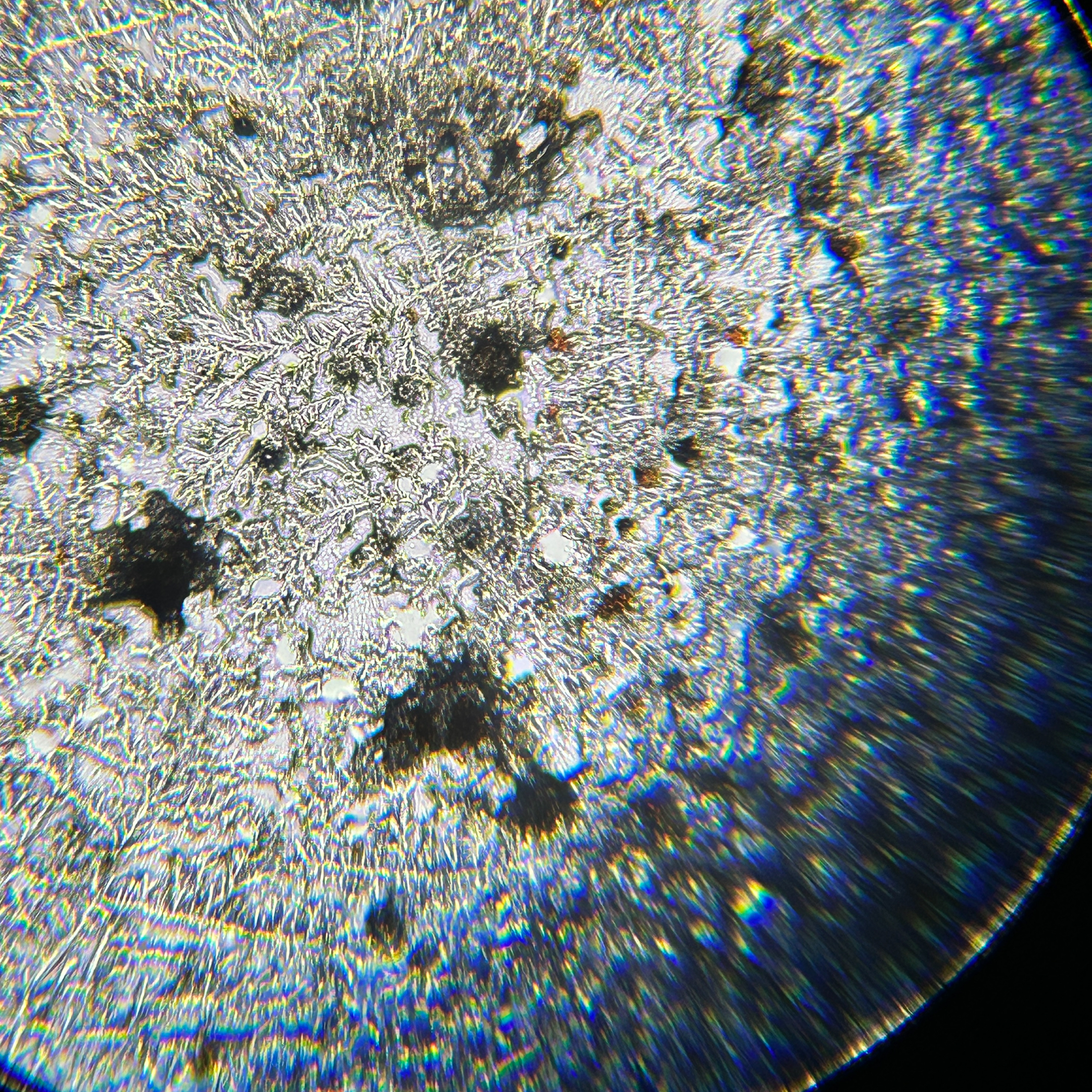
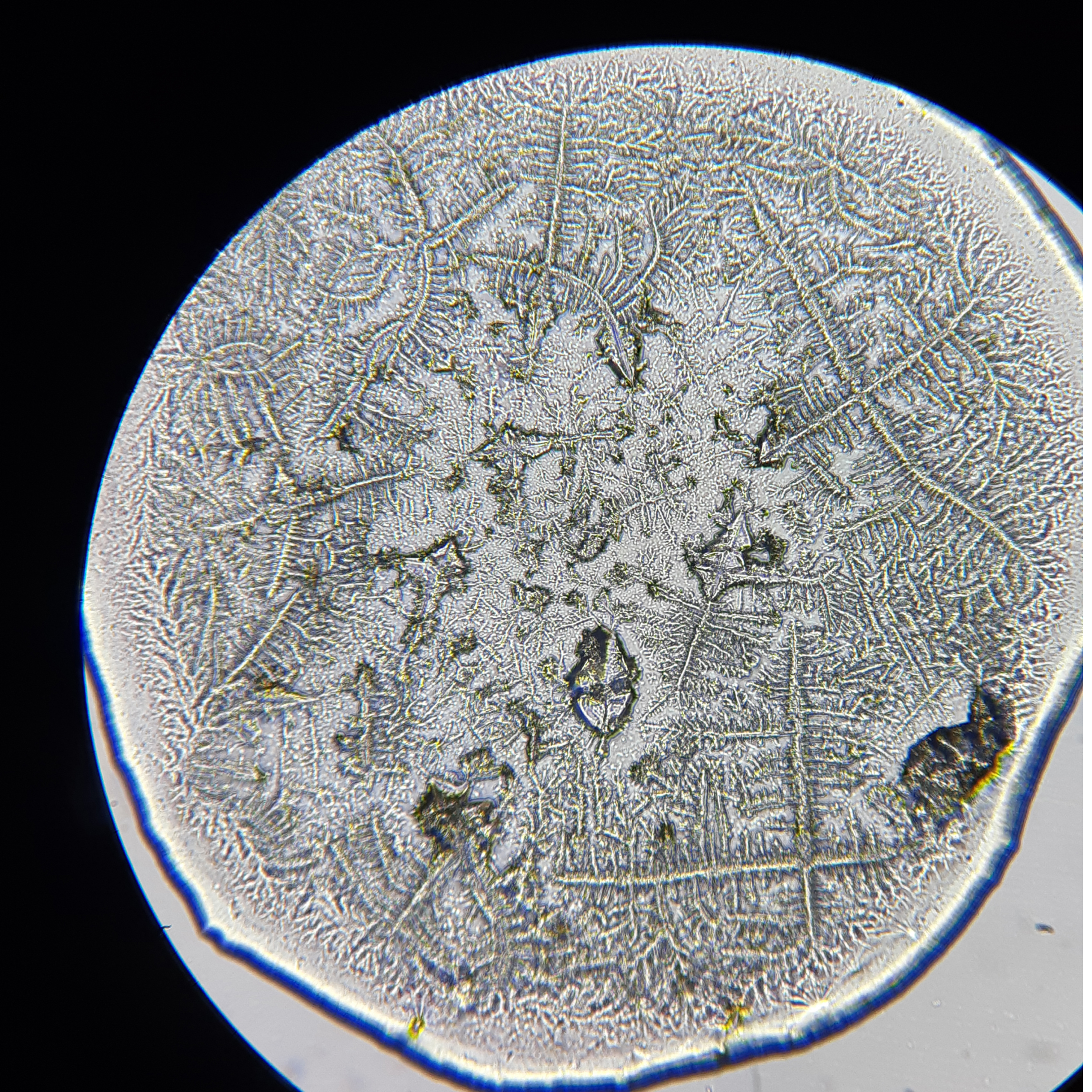
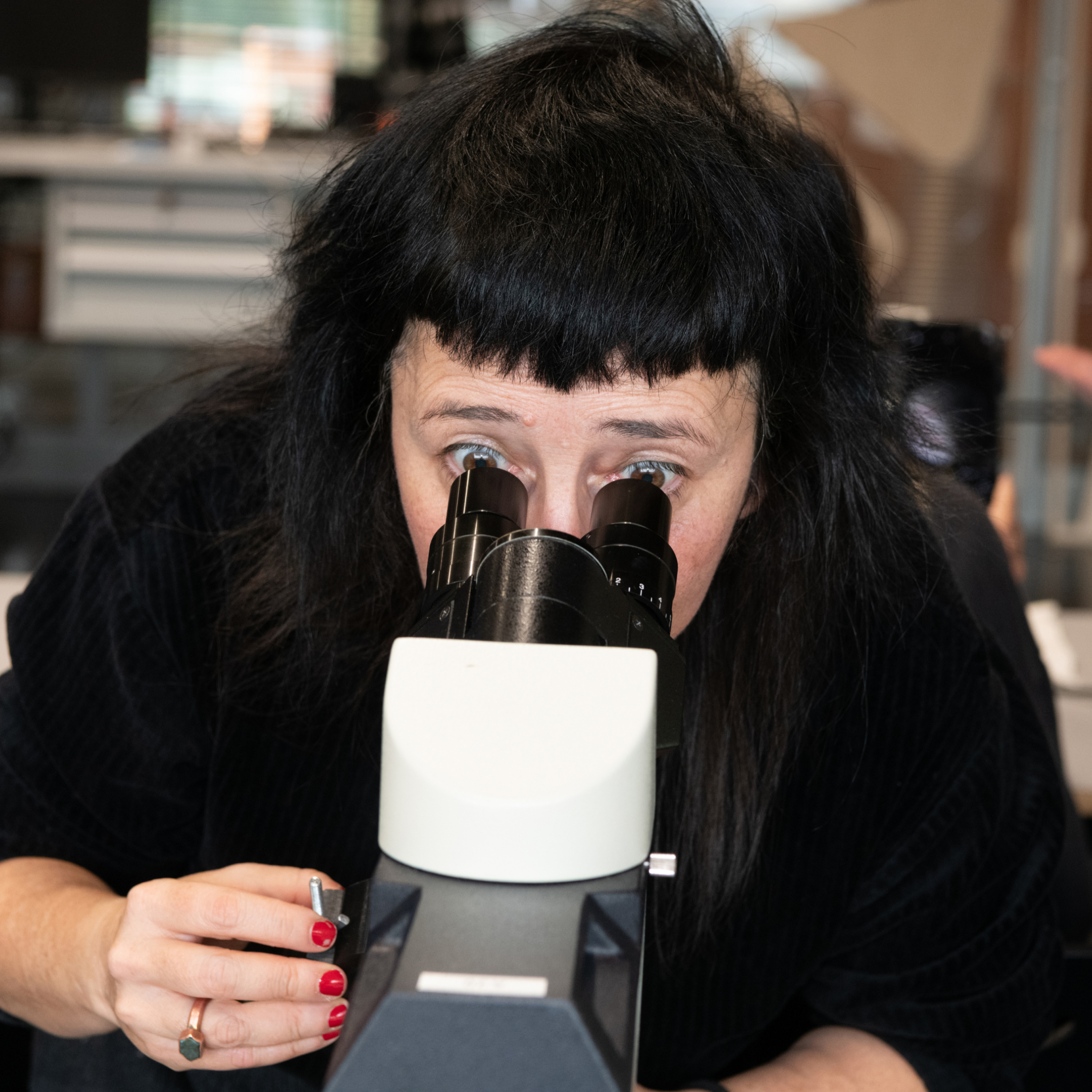
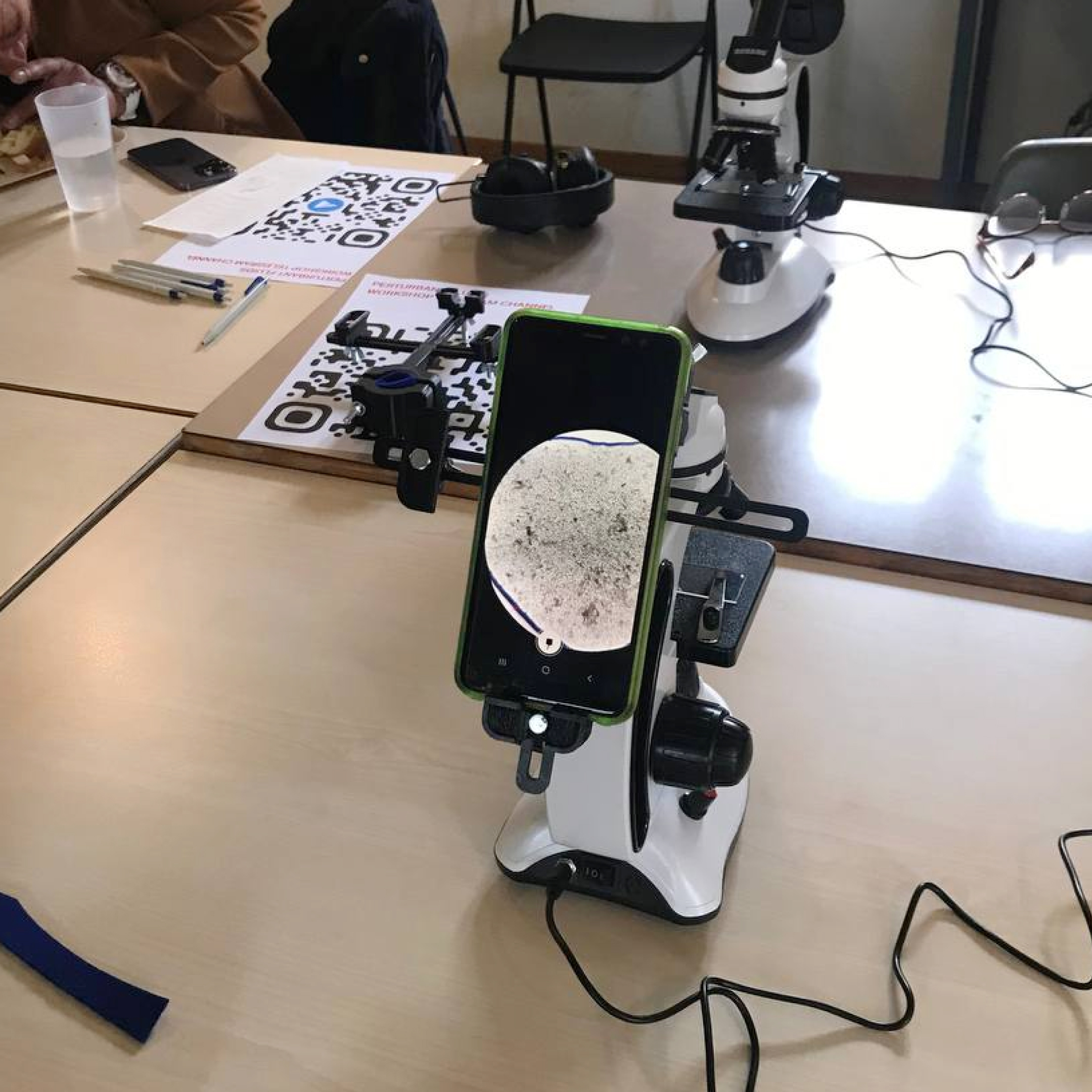
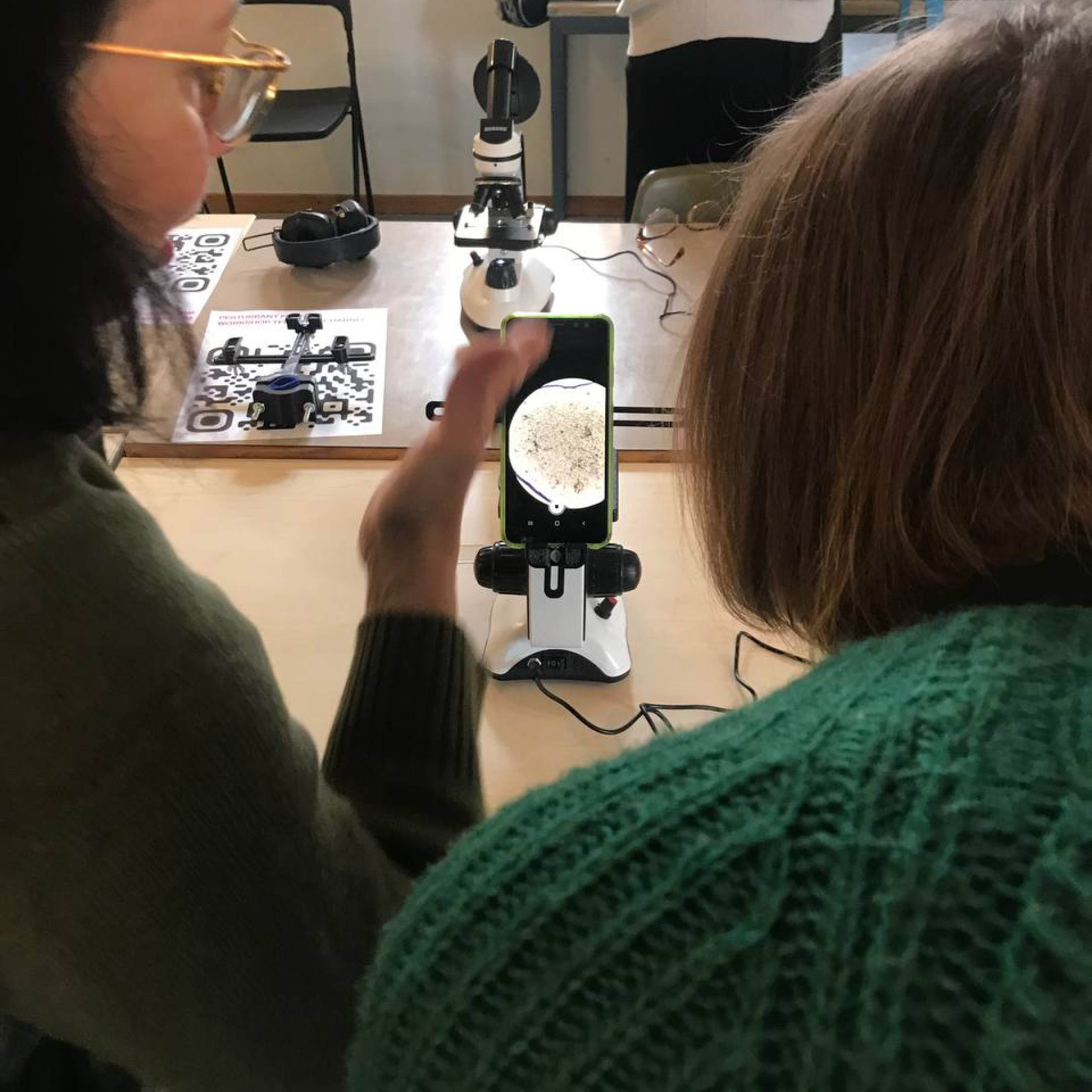
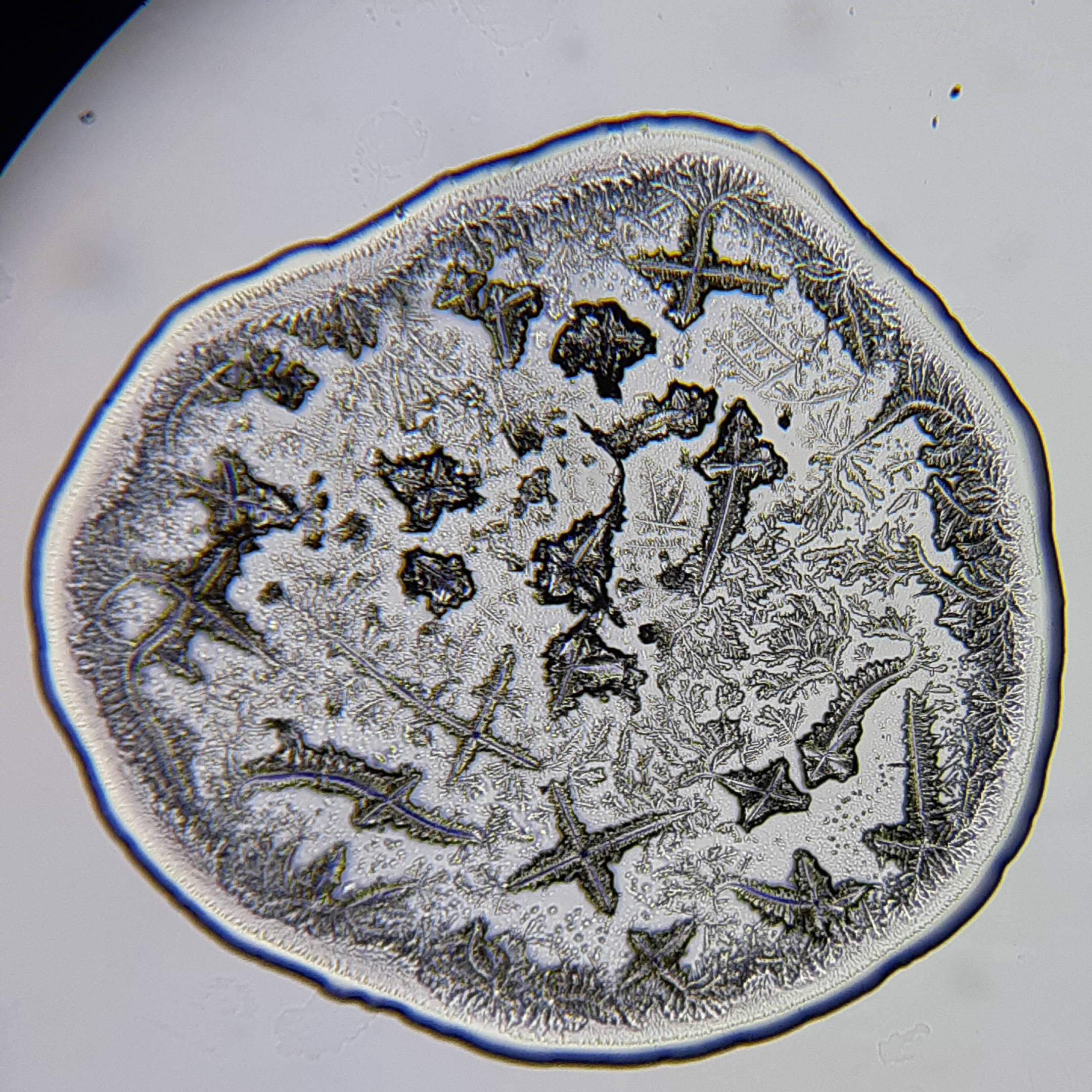
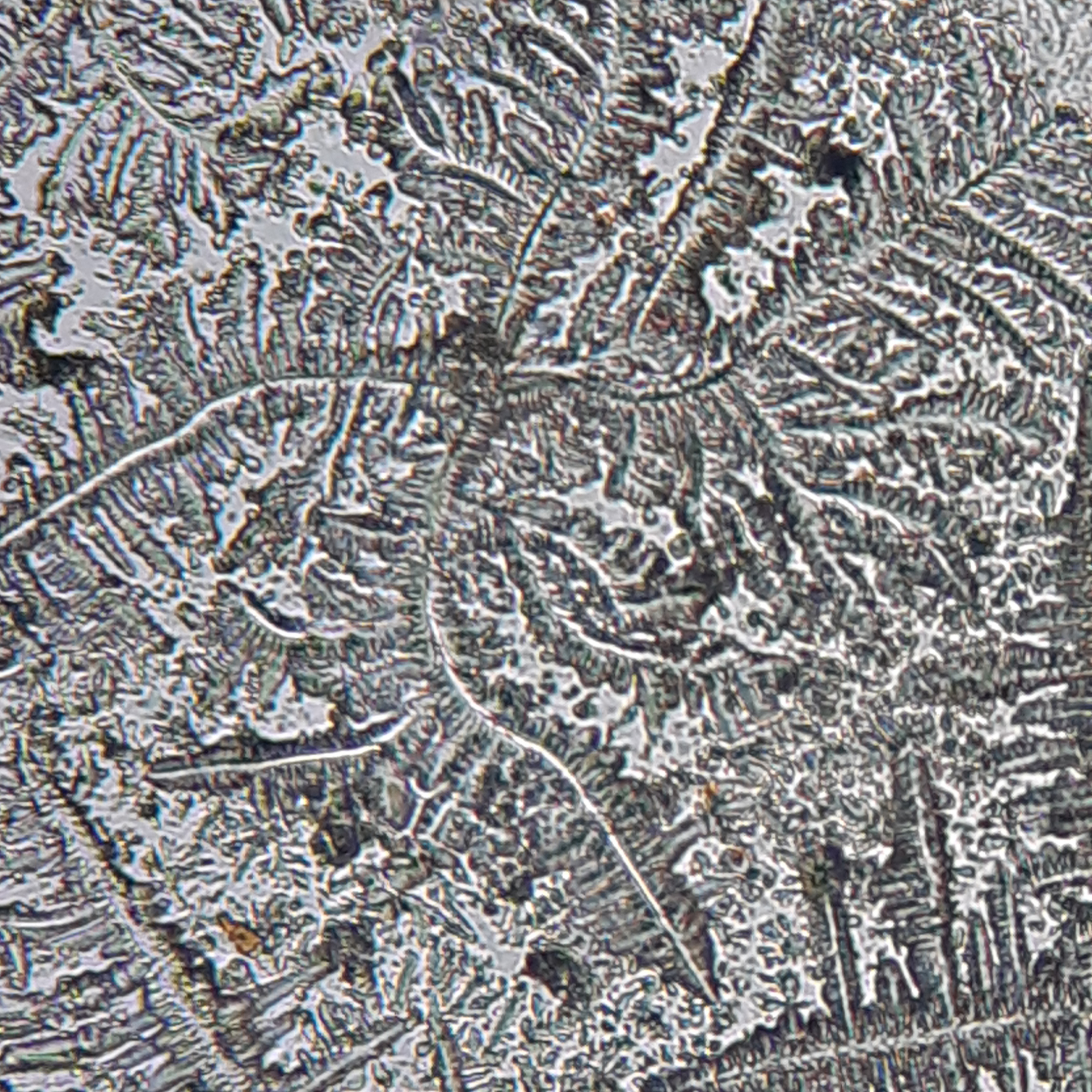
The workshop centres on the crystallisation of tears, a phenomenon where dried tears form microscopic patterns known as stagograms. First noticed in the 18th century and later studied in more detail by ophthalmologists, these formations vary between individuals and open questions about the links between biology, environment, and interpretation. Participants use light-field microscopes to observe their own tear samples, capturing images that reveal these intricate structures. The activity is both scientific and symbolic: while grounded in established laboratory procedures, it also invites participants to reflect on the meaning and imagery of what they see.

By comparing stagograms, participants explore how different interpretations emerge, how context shapes scientific readings, and how personal experience becomes part of the inquiry. Through this immersive process, the workshop makes visible the historical and cultural dimensions of science. It creates space to question established narratives, to uncover embedded biases, and to imagine new ways of relating to knowledge about the body. At the same time, it fosters data literacy by guiding participants in collecting, documenting, and analysing images of their own biological material.

with

Zoe Romano is a craftivist, digital strategist and lecturer focused on social innovation, women in tech, technology, open design. She graduated in Philosophy at the University of Milan, worked for several years in digital communication and tech, developed her social skills as media-hacktivist on precarity, material and immaterial labor in the creative industries. She worked for Arduino as digital strategist from 2013 to 2017 and then co-founded WeMake Makerspace in 2014. She’s now a consultant on R&D, teaches courses in various organisations and collaborates on eu-funded digital social innovation projects. She takes part in research/activism activities and develops projects around e-textiles and digital fabrication in different contexts. She’s the co-founder of OBOT (Our Bodies Our Tech), a nomadic wetlab and an artistic duo composed by Zoe Romano and Maddalena Fragnito working from 2020 on science and technology from a trans-feminist queer perspective.
protocol

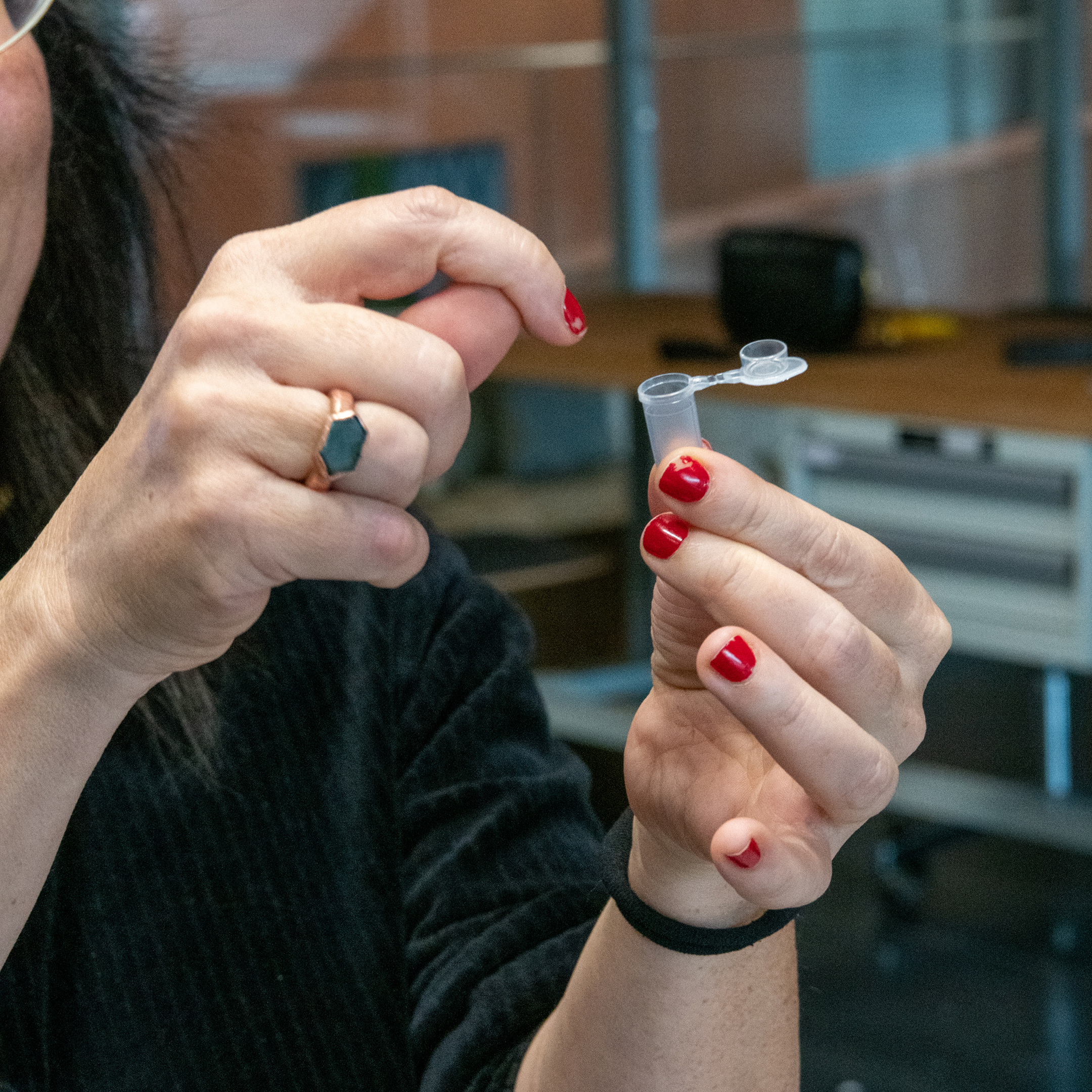
The Perturbant Fluids workshop followed a half-day format combining presentations, hands-on experimentation, and collective reflection. After a short introduction to the project and an overview of antimicrobial resistance, Zoe Romano introduced the activity and its context. Participants were then guided through the workshop designed by OBOT, where they collected tear samples, observed the crystallisation process under light-field microscopes, and documented the resulting stagograms. The practical session was followed by group comparison and discussion, encouraging participants to reflect on both the material and symbolic dimensions of scientific practice. The day closed with a final round of presentations and a call to action, inviting participants to continue exploring how embodied data and collaborative inquiry can inform awareness of antibiotic resistance.

resources

↗ Activity presentation

sessions

After a first session, organised at SUPSI, the Perturbant Fluids workshop was run in collaboration with the following associations: La Rada (Locarno), the Impact Hub (Lugano), Atelier Rohling (Bern), and Onl’fait (Geneve).
About 30 people have been involved contributing to the discussion and collection of images.

results

External links